 (912) 432-0218


O'Fallon Exterior Remodeling After Storm Damage: Where to Start

Home improvement decisions become easier when the project starts with a specific problem instead of a stack of product samples. For homeowners researching O'Fallon exterior remodeling, post-storm planning is the practical issue to solve first. A thoughtful plan can improve how the space works every day, reduce surprises during construction, and help each finish choice support the larger goal.
This guide explains what to evaluate, which details deserve early attention, and how to prepare for a conversation with a remodeling contractor. It is designed to help O'Fallon homeowners organize priorities before requesting estimates or approving a scope of work.
Start Your O'Fallon Exterior Remodeling Plan With Daily Use
Walk through the space as it functions now. Note where people wait, squeeze past one another, search for storage, avoid a damaged surface, or carry items farther than necessary. Those small frustrations reveal more than a wish list assembled from photographs.
Write down three categories:
- Problems that must be fixed, including damage, moisture, unsafe movement, or failing materials.
- Daily improvements, such as better storage, easier cleaning, more useful lighting, or a clearer path.
- Optional upgrades that would be welcome if the budget allows.
This order gives the contractor a useful starting point and protects the features that matter most if selections need to change.
Key Details to Evaluate Before Work Begins
Every exterior remodeling project has interconnected parts. For this project, review:
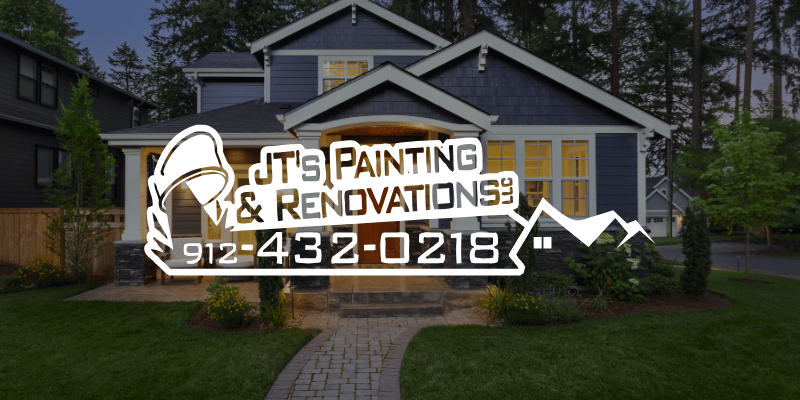
- roof, siding, trim, and flashing as one water-shedding system. This affects the basic feasibility and order of work.
- color and material relationships across the facade. Addressing it early prevents compromises after materials are ordered.
- drainage at gutters, grade, and hardscape. This detail shapes comfort and long-term usability.
- durable details around windows and penetrations. Planning it on paper is usually easier than changing it in the field.
- repair priorities before cosmetic upgrades. The best selection should fit both the room and the household's maintenance habits.
Treating each exterior surface as an isolated project can leave mismatched details or unresolved paths for water. Ask how these details will be handled in the written proposal rather than assuming they are included.
Make Material Choices in the Right Order
Permanent or expensive decisions should come first. Confirm the layout and repair scope before selecting colors. Choose the dominant surface next, then coordinate supporting finishes under the actual lighting in the home. Large samples are more reliable than phone photos because undertones shift throughout the day.
For post-storm planning, compare options by more than purchase price. Consider preparation, installation, expected maintenance, repairability, and how long the material needs before normal use resumes. A lower-cost product can be a poor value if it demands frequent attention or does not suit the room's conditions.
JT's outlines related options on its exterior remodeling services page. If the project overlaps adjacent finishes, review the related renovation service before finalizing the scope. Coordinating connected work can reduce repeated setup and prevent one new surface from being damaged during a later phase.
Questions to Ask During an Estimate
A useful estimate should explain the work, not only provide a total. Ask:
- What preparation and repairs are included?
- Which selections must be finalized before scheduling?
- Who coordinates specialty trades and inspections when required?
- How will occupied areas and finished surfaces be protected?
- What conditions could change the scope after work begins?
- How are changes documented and approved?
- What cleanup, walkthrough, and follow-up are included?
Compare proposals line by line. One may include preparation, disposal, protection, or finish work that another leaves as an allowance. Clear assumptions make comparisons fair and reduce surprises.
Prepare the Home for a More Efficient Project
Before the start date, remove personal items from the work zone and identify anything that needs special protection. Decide how family members and pets will move around the area. Confirm parking, material staging, and working-hour expectations. For projects that interrupt a kitchen, bath, entrance, or major living area, make a temporary-use plan.
Keep selections, approvals, and contractor questions in one email thread or shared document. Fast, documented decisions help the schedule stay organized without relying on memory.
Think Beyond the Reveal
The best result should still work after the room is no longer new. Ask how to clean each finish, when coatings or sealants reach full cure, what seasonal checks are appropriate, and which warning signs deserve attention. Save product names, colors, leftover materials, and care instructions together.
A well-planned O'Fallon exterior remodeling project should feel intentional from the first layout decision to the final walkthrough. If you are ready to discuss post-storm planning for your O'Fallon home, explore JT's remodeling experience and request an estimate for a project-specific plan.